Card Shop in Greeneville, TN
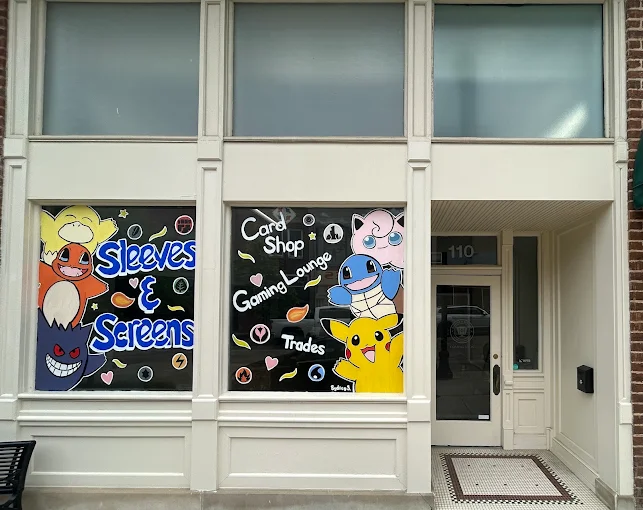
If you have been looking for a card shop in Greeneville, TN, the useful question is not only whether a store exists. It is what you should expect when you walk into a local shop, how that differs from a big-box aisle, and what collectors in a smaller East Tennessee town actually need to check before they drive over or put money down.
A card shop is a place you can inspect product, ask a question, and leave with a single card, a sealed pack, or nothing at all. Inventories change. Prices are set by the shop, not by a chain’s shelf tag. The sections below cover how to judge a shop, how to think about sealed product and singles, why language lines matter, and what a first visit in a town like Greeneville usually looks like.
What to look for in a card shop in Greeneville, TN
In a small town, you may not have three shops to compare on the same afternoon. That makes the quality of the one you can reach more important, not less. A useful shop is one where you can see the product, get a plain answer, and not feel rushed into a purchase you cannot inspect.
Start with whether you can handle the cards or packs you are considering, or at least see them clearly in the case. Ask how the shop treats sealed product, singles, and trades. Ask whether they can tell English, Japanese, and Chinese Pokémon apart, and whether they will say so if a particular box is not in today. "I don’t have that today" is a better answer than a vague promise.
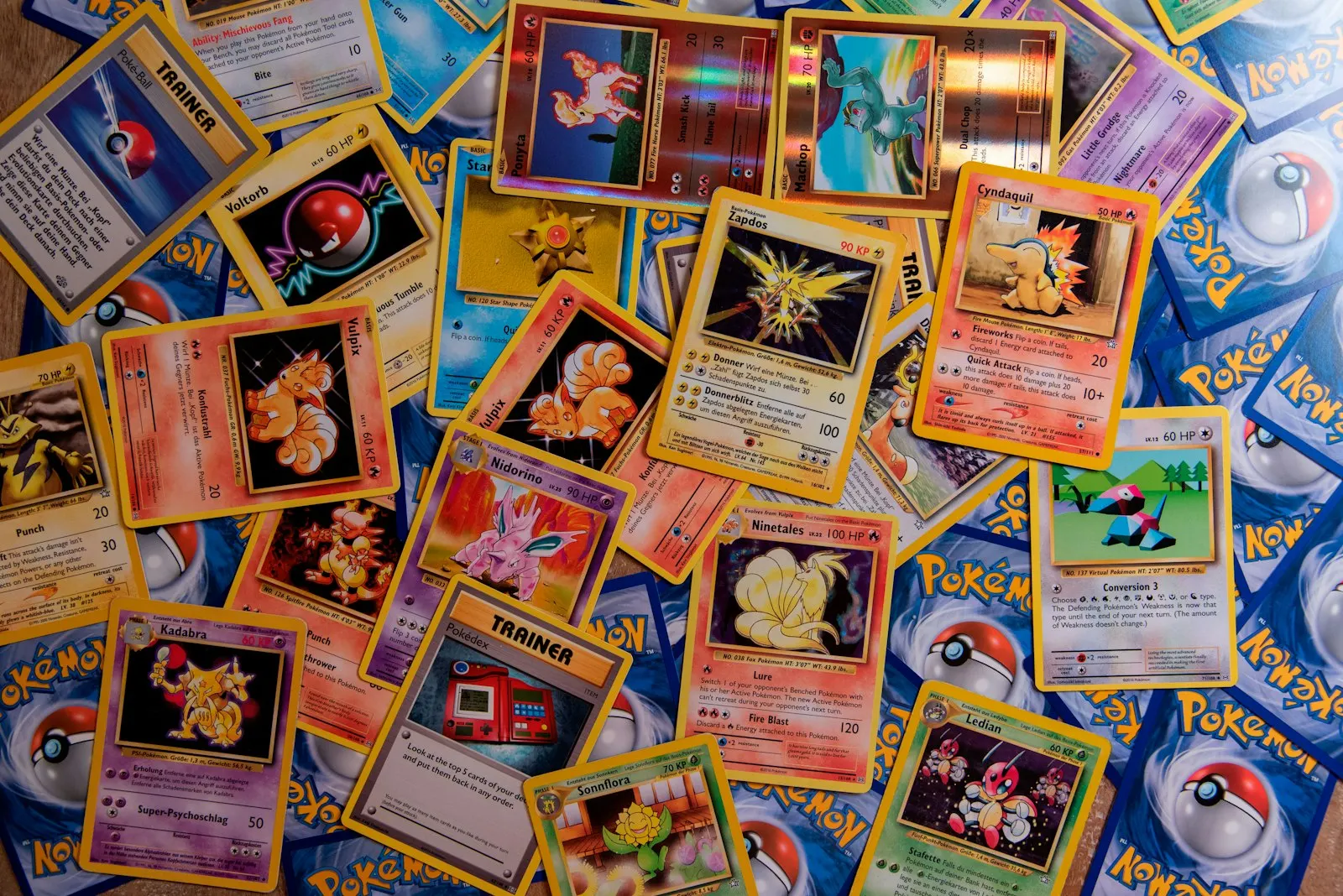
A big-box or drugstore aisle can still be a fine place to find current English sealed product on a lucky day. It is a weak place to look at singles, to check a language line, or to ask what a card is worth as a trade. Those are the jobs a card shop is built for. The tradeoff is that a shop sets its own prices, and the case on Wednesday may not match the case on Saturday.
Collectors around Greeneville, and people driving in from nearby towns, should also think about the trip itself. Hours at independent shops often differ from retail stores, and many are closed midweek. If you are coming from more than a few minutes away, it is worth knowing the regular hours and asking about a specific product before you make the drive. That is ordinary advice in a smaller market, not a slight against any one store.
Sealed product, singles, and trades
Sealed product — packs, Elite Trainer Boxes, booster boxes, and collection tins — is what a lot of first visits are about. Look at the wrap and the seal the same way you would anywhere: even crimps, intact film, a set name you can read, and a price that has an explanation if it sits far from ordinary retail. If you want a particular set, ask. If it is not there, a good shop will say so.
Singles are a different purchase. You are buying one card in a visible condition, not a chance at a card. Look at the corners, edges, surface, and centering, and look at the set symbol and collector number so you know the era. A shop that will let you see the card, or put it on the counter under decent light, is easier to buy from than a listing with one front photo.
Many local shops also buy and trade, including bulk, sealed product, and singles. Policies vary. Some give store credit, some pay cash, and some will tell you they are not buying a particular thing that week. If you plan to sell or trade, ask what to bring, whether you should call ahead, and what the shop does and does not do. Grading, for example, is a specialized service, and a shop that checks or authenticates a card is not the same thing as a grading company.
Language lines and authenticity
Pokémon is not one interchangeable product. English, Japanese, and Chinese cards are different lines, with different sets, pack styles, and feel. Chinese retail cards come in Simplified (宝可梦) and Traditional (寶可夢) printings. A card that merely has Chinese text on it is not automatically one of those printings.
If you collect those lines, or you are being offered a card in a language you do not read fluently, take the extra minute. Check the set name, the language on the packaging, and the marks on the card itself. For a closer look at how the two Chinese lines differ, there is a collector’s guide to Chinese Pokémon cards. If the question is whether a card is genuine, start with the walkthrough of real vs. fake Chinese Pokémon cards rather than an English-card flashlight test.
Other games have their own sealed product, singles, and player communities: Magic: The Gathering, Yu-Gi-Oh!, Disney Lorcana, One Piece, and several newer games among them. A shop may carry some or all of those, and the mix changes. The useful question on a first visit is what is actually in the case, not what a website listed last month.
A first visit, and questions worth asking
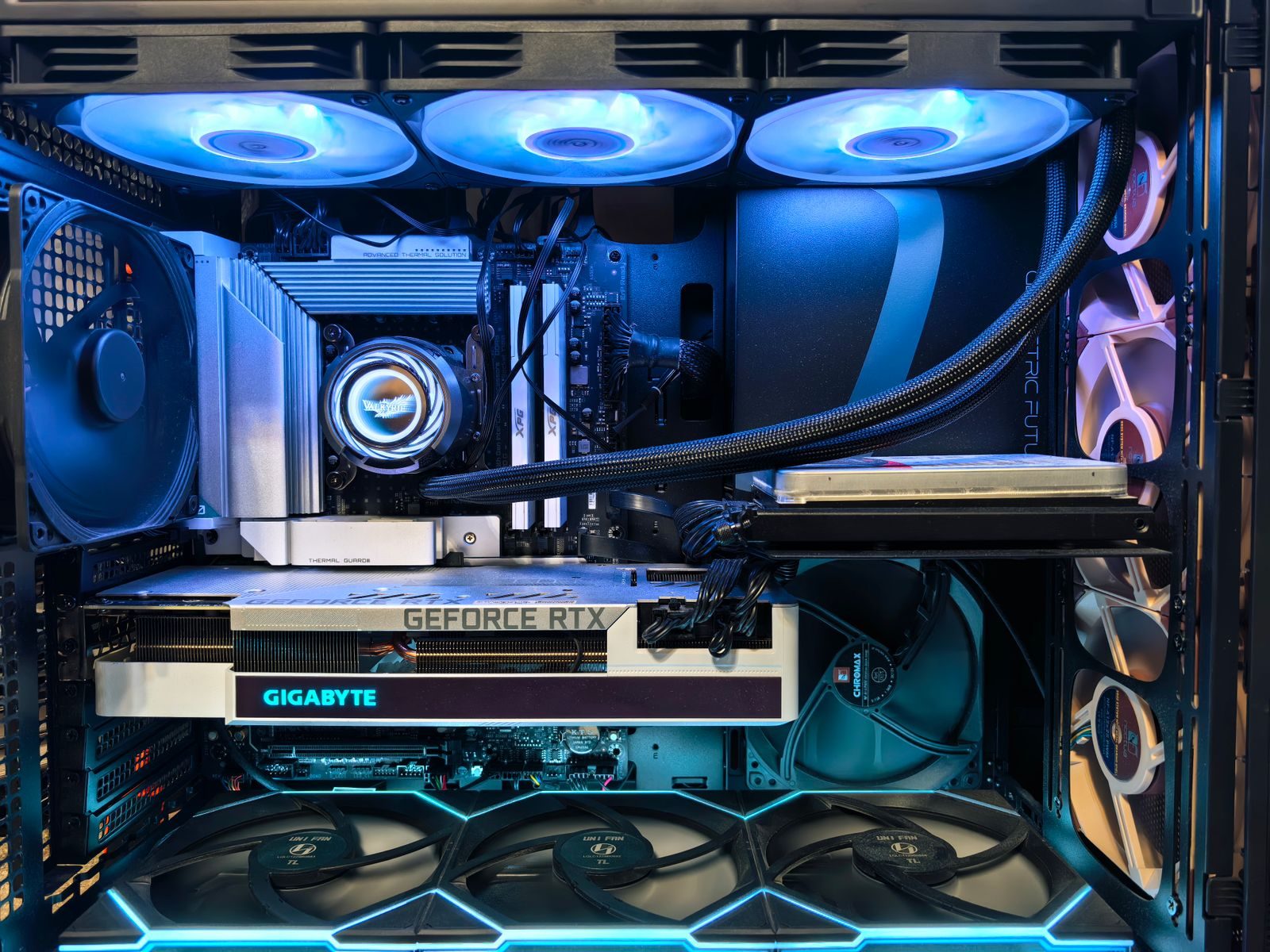
A first visit does not have to be complicated. Come during posted hours, look at the cards, and ask the question you actually have. If you only have a few minutes, that is fine. If you want to stay and play after you browse, ask whether the shop has a place to play and what the ordinary expectations are — some shops have open tables, some have scheduled nights, and some have a lounge with PCs or consoles in the same building.
Questions that usually help: What are the regular hours? Do you have a particular game or language in today? Can I look at a single before I buy it? Do you buy or trade, and should I call ahead if I am bringing a collection? Is there a table or a lounge if I want to stay? You do not need to ask all of them. One clear question is better than a vague "do you have cards?"
Bring the cards you want identified or traded in a way that keeps them from getting bent — a binder or a box, not a loose stack in a pocket. If you are coming from Johnson City, Morristown, or another nearby town, give yourself a little time on either side of the visit so you are not shopping in a rush before a closing hour.
Sleeves & Screens is a card shop in Greeneville, TN, at 110 W Depot St, a few blocks from the historic courthouse; we carry Pokémon in English, Japanese, and Chinese, including sealed product, plus Magic: The Gathering, Disney Lorcana, Riftbound, Star Wars: Unlimited, Yu-Gi-Oh!, One Piece, Digimon, and card accessories, and we buy, sell, and trade cards. The same building has a lounge with 6 custom gaming PCs, a Nintendo Switch 2, and a PS5. We host free casual Magic nights. We also host D&D games run by local DMs; ask the DM about any cost. We run weekly tournaments; ask which games are on the schedule. Regular hours are Wednesday and Thursday 12 to 8 p.m., Friday and Saturday 2 to 10 p.m., and Sunday 2 to 8 p.m., closed Monday and Tuesday. Call (423) 831-7447, email hello@sleevesnscreens.com, or contact us; we can check and authenticate cards, but we do not grade them.
Frequently asked questions
Whether you can inspect the product, get a straight answer about what is in today, and look at singles or sealed packs in decent light. A shop that will say when it does not have something is more useful than one that stays vague. Prices and inventory change, so the case in front of you matters more than a list online.
A big-box or drugstore aisle can be a convenient place to find current English sealed product. A card shop is built for inspecting singles, asking about language lines, and buying, selling, or trading in person. Shop prices are set by the store, and the stock changes from day to day.
Bring the cards in a binder or a box so they are not bent, and ask ahead of time whether the shop is buying that day and what it does not take. Policies vary: some shops offer store credit, some pay cash, and some are not buying a particular product that week. Checking or authenticating a card is not the same as grading it.
Yes. They are different product lines, with different sets, packs, and feel. Chinese retail cards come in Simplified (宝可梦) and Traditional (寶可夢) printings, and a card that simply has Chinese text on it is not automatically one of those. Compare a card with the same language and era, not with an English card.
Ask about regular hours, whether a particular game or language is in that day, whether you can look at a single before you buy, and whether the shop buys or trades. If you want to stay and play, ask whether there is a table or a lounge and what to expect. One clear question is better than a vague request for "cards."